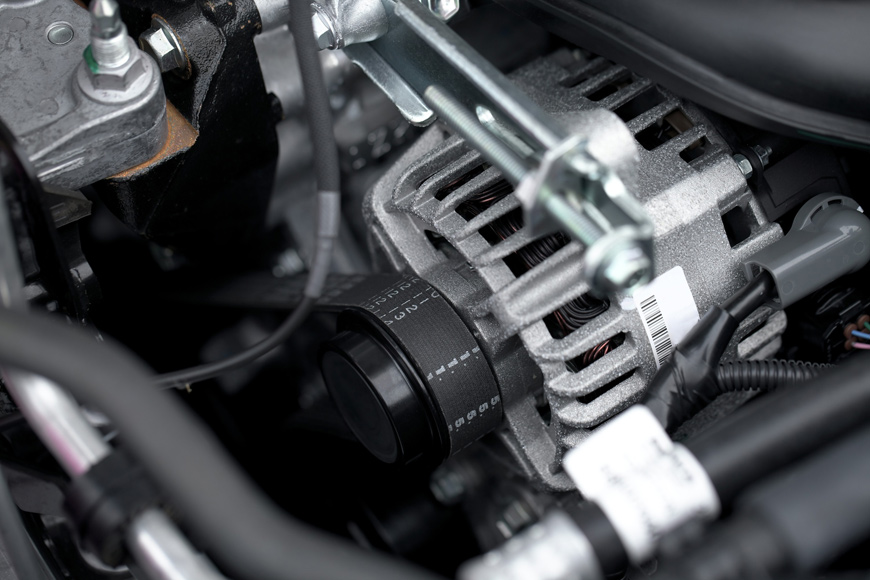
Hoses, and belts are crucial components of a car’s operation and overall longevity. Each plays a vital role in ensuring the proper functioning of various systems within the vehicle.
- Hoses:
- Hoses in a car are used to transport fluids such as coolant, brake fluid, and power steering fluid to various components of the vehicle.
- They play a critical role in maintaining the proper temperature of the engine by circulating coolant to the radiator and other cooling system components.
- Over time, hoses can become brittle, cracked, or develop leaks, which can lead to fluid loss and potential engine damage.
- Regular inspection and replacement of hoses as part of routine maintenance help ensure the integrity of the vehicle’s fluid systems.
- Belts:
- Belts in a car, such as the serpentine belt or timing belt, are responsible for transferring power from the engine to various components such as the alternator, water pump, and air conditioning compressor.
- The timing belt, in particular, is crucial for synchronizing the rotation of the engine’s camshaft and crankshaft, ensuring proper engine operation.
- If belts become worn, stretched, or damaged, they can break, leading to loss of power to critical components and potentially causing engine failure.
- Regular inspection and replacement of belts according to the manufacturer’s recommended schedule are necessary to prevent belt failure and ensure the reliable operation of the vehicle.
In summary, proper maintenance of hoses, and belts is essential for the smooth operation, longevity, and reliability of a car. Regular inspections and timely replacements of these components as part of routine maintenance help prevent costly repairs and ensure the safety of the vehicle and its occupants.