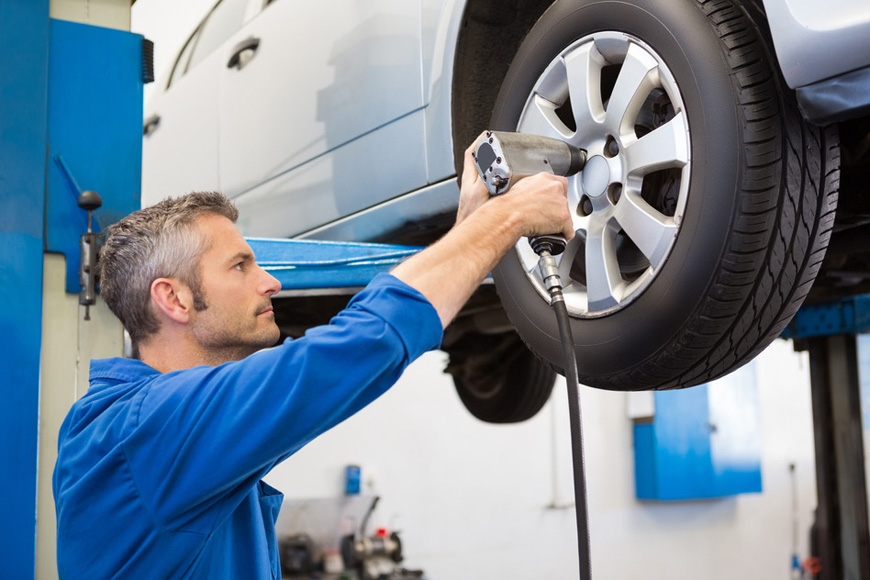
Wheel balancing and wheel alignment are essential automotive maintenance tasks that ensure your vehicle’s tires wear evenly, maintain proper traction, and contribute to overall safety while driving. Here’s an overview of each:
Wheel Balancing:
- Purpose: Wheel balancing is the process of equalizing the weight of a tire and wheel assembly so that it rotates smoothly at high speeds.
- Procedure: A technician uses a balancing machine to determine where weights need to be added or removed to balance the tire and wheel assembly. They attach small weights to the rim of the wheel to offset any imbalances.
- Signs of Imbalance: Symptoms of unbalanced wheels include vibrations felt through the steering wheel or vehicle floor, uneven tire wear, and steering wheel wobbling at certain speeds.
- Importance: Properly balanced wheels improve tire longevity, reduce vibrations and noise, and enhance overall driving comfort and safety.
Wheel Alignment:
- Purpose: Wheel alignment refers to adjusting the angles of the wheels to ensure they are perpendicular to the ground and parallel to each other. This ensures optimal tire contact with the road and straight vehicle tracking.
- Types of Alignment: Common types of wheel alignment include:
• Toe Alignment: Adjusts the angle of the tires relative to each other when viewed from above.
• Camber Alignment: Adjusts the angle of the tires relative to the vertical axis when viewed from the front or rear of the vehicle.
• Caster Alignment: Adjusts the angle of the steering axis relative to the vertical axis when viewed from the side of the vehicle.
- Procedure: A technician uses specialized alignment equipment to measure and adjust the angles of the wheels according to manufacturer specifications.
- Signs of Misalignment: Symptoms of misaligned wheels include uneven tire wear, vehicle pulling to one side, steering wheel off-center when driving straight, and increased fuel consumption.
- Importance: Proper wheel alignment ensures optimal handling, steering response, tire wear, and fuel efficiency. It also prevents premature wear of suspension components.
Both wheel balancing and wheel alignment are recommended maintenance tasks typically performed during routine tire rotations or whenever new tires are installed. It’s important to have these services performed by qualified technicians using proper equipment to ensure the best results and prolong the life of your tires and vehicle components.